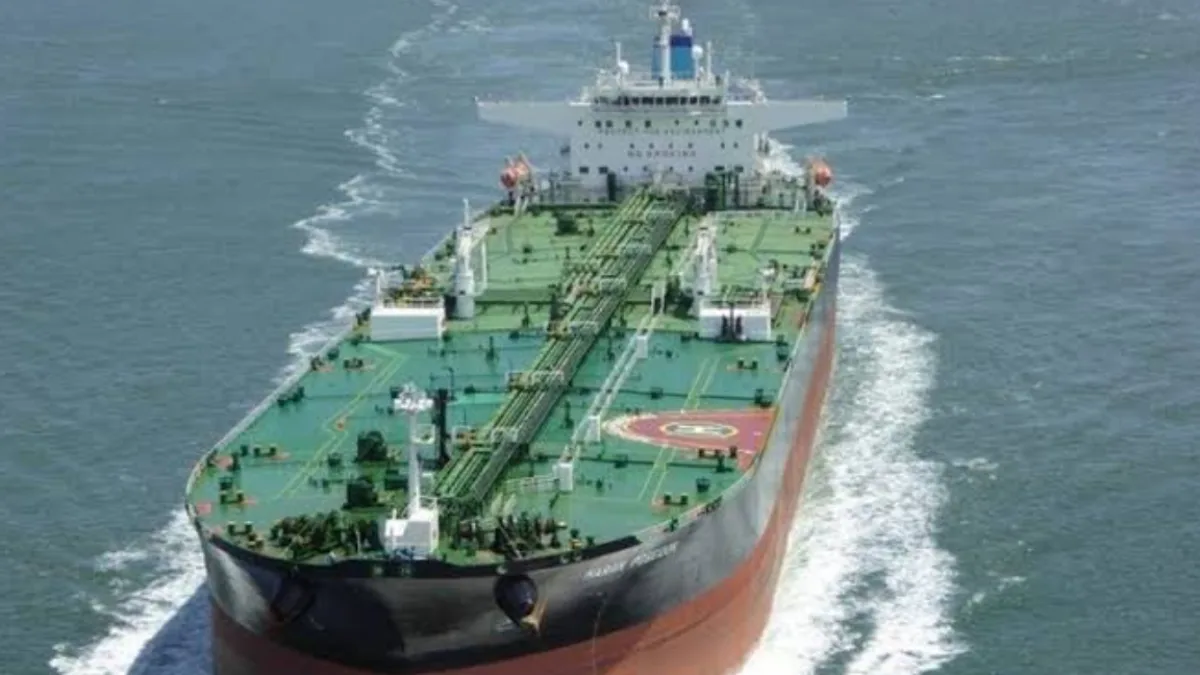
The United States Treasury Department on Monday issued a 60-day general license allowing countries to purchase Iranian oil, a day after Washington and Tehran held peace talks in Switzerland.
According to the official document, the temporary 60-day general license authorises transactions related to the production, delivery, and sale of Iranian crude oil, petrochemicals, and petroleum products.
Advertisement
“All transactions” previously restricted under US sanctions regarding these activities are authorised until 12:01 a.m. Eastern Daylight Time on 21 August 2026,” the document stated.
The move aligns with Washington’s commitment to ease sanctions on Iran as part of a 14-point memorandum of understanding signed between the two countries last week.
US Treasury Secretary Scott Bessent confirmed that the decision reflects the advancement of bilateral discussions currently underway in Switzerland.
“In line with the ongoing productive talks in Switzerland, Iran has committed to free and open transit in the Strait of Hormuz and to permit International Atomic Energy Agency (IAEA) inspectors into their country,” Bessent stated in a social media post.
He added, “As part of the framework, Treasury has issued a temporary 60-day general licence authorising the production, delivery, and sale of Iranian oil.”
The authorisation further extends to the importation of Iranian-origin crude and petroleum products into the United States, provided such transactions are required to conclude sales or deliveries under the new waiver terms.
The Treasury Department clarified that these exemptions do not extend to dealings involving North Korea or Cuba, which remain under strict US sanctions regimes.
(With inputs from agencies)